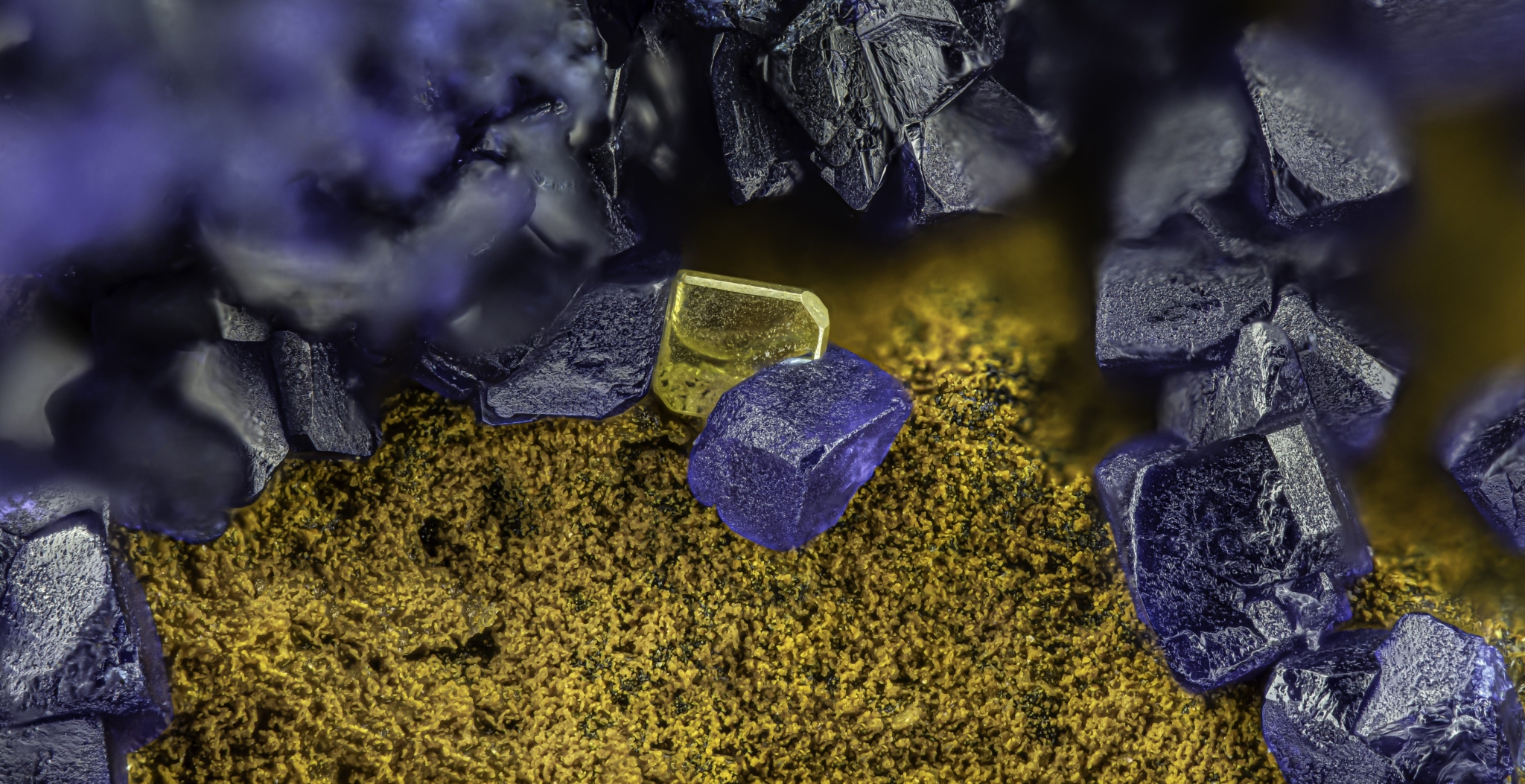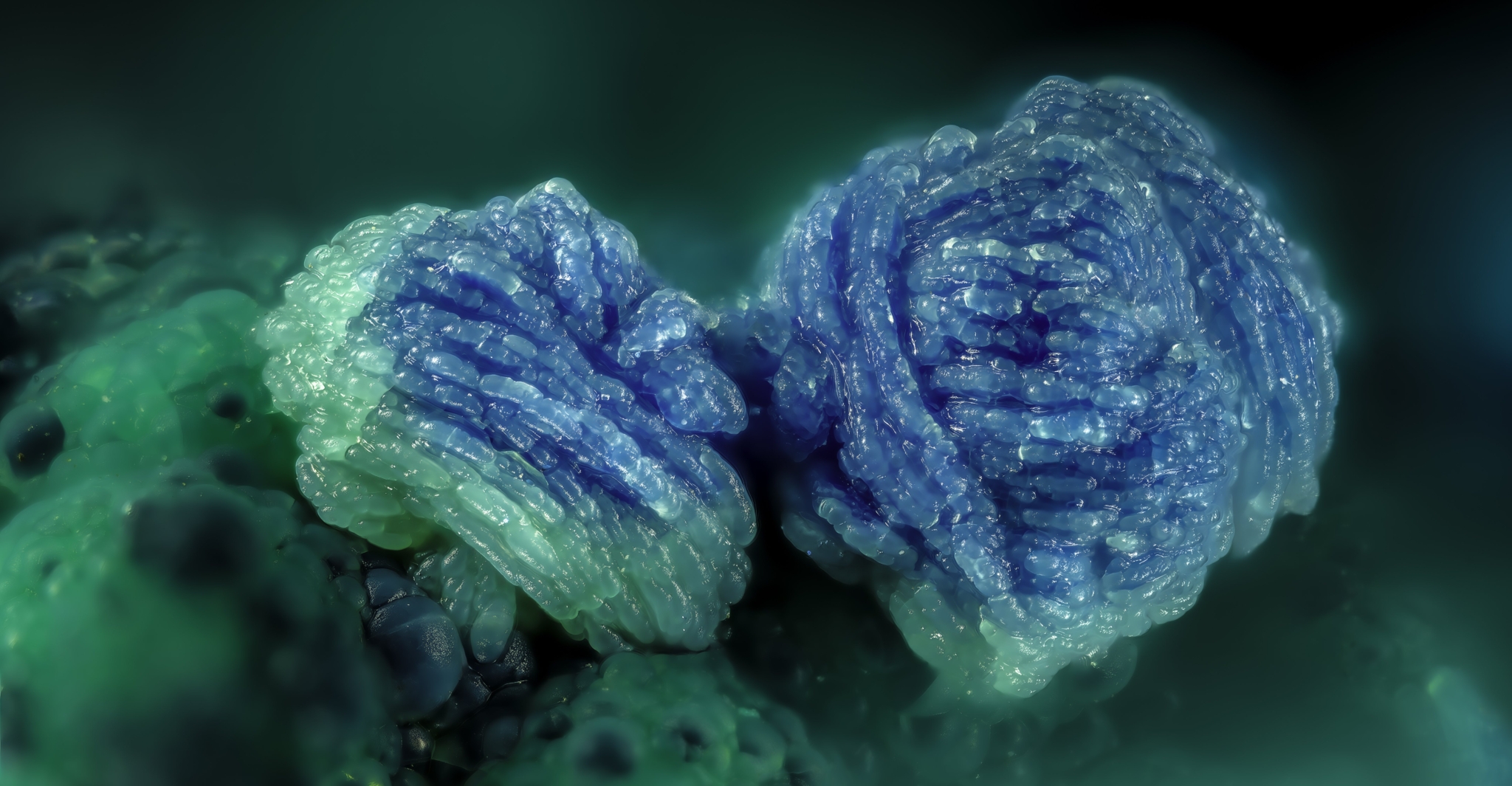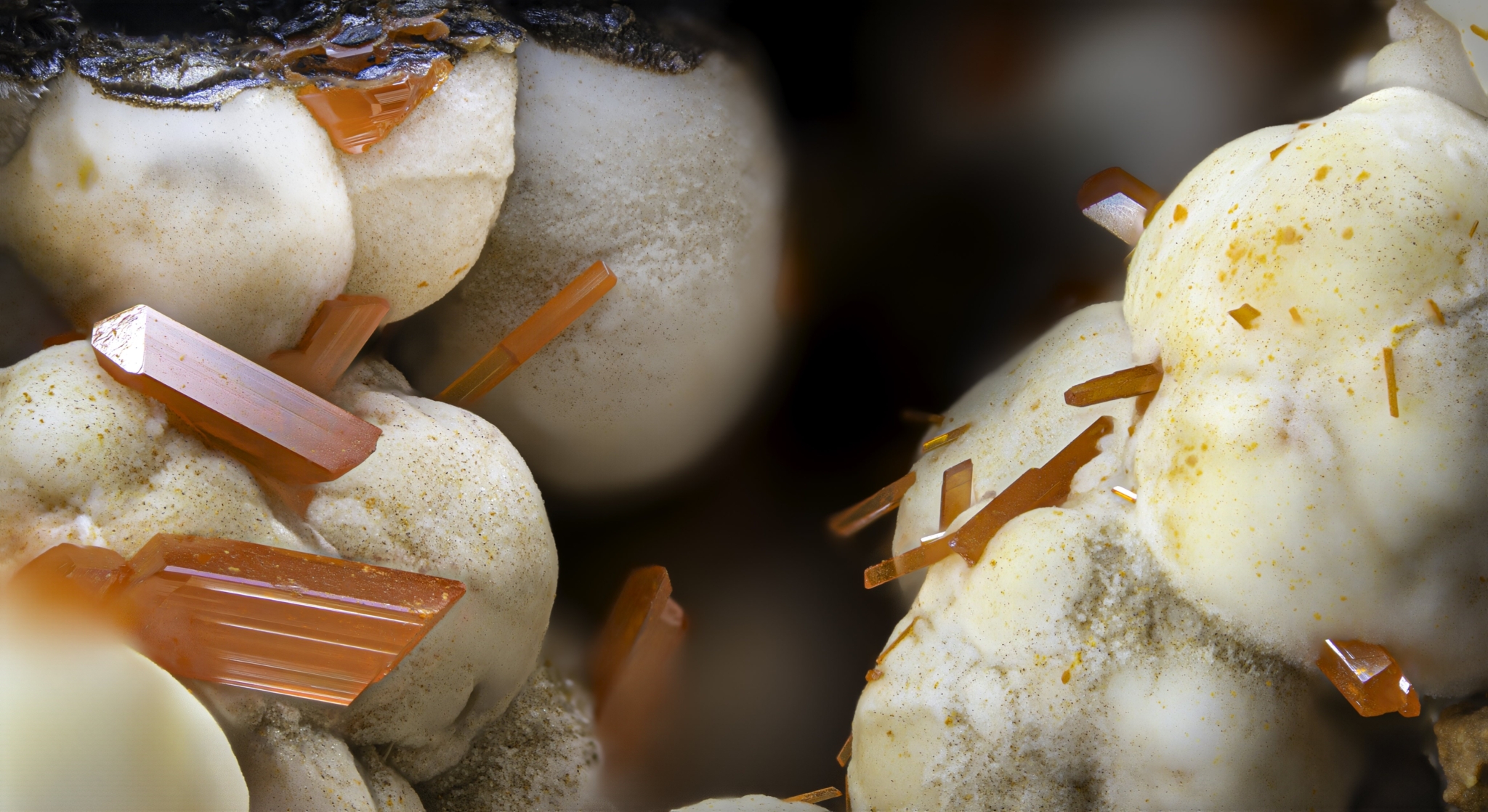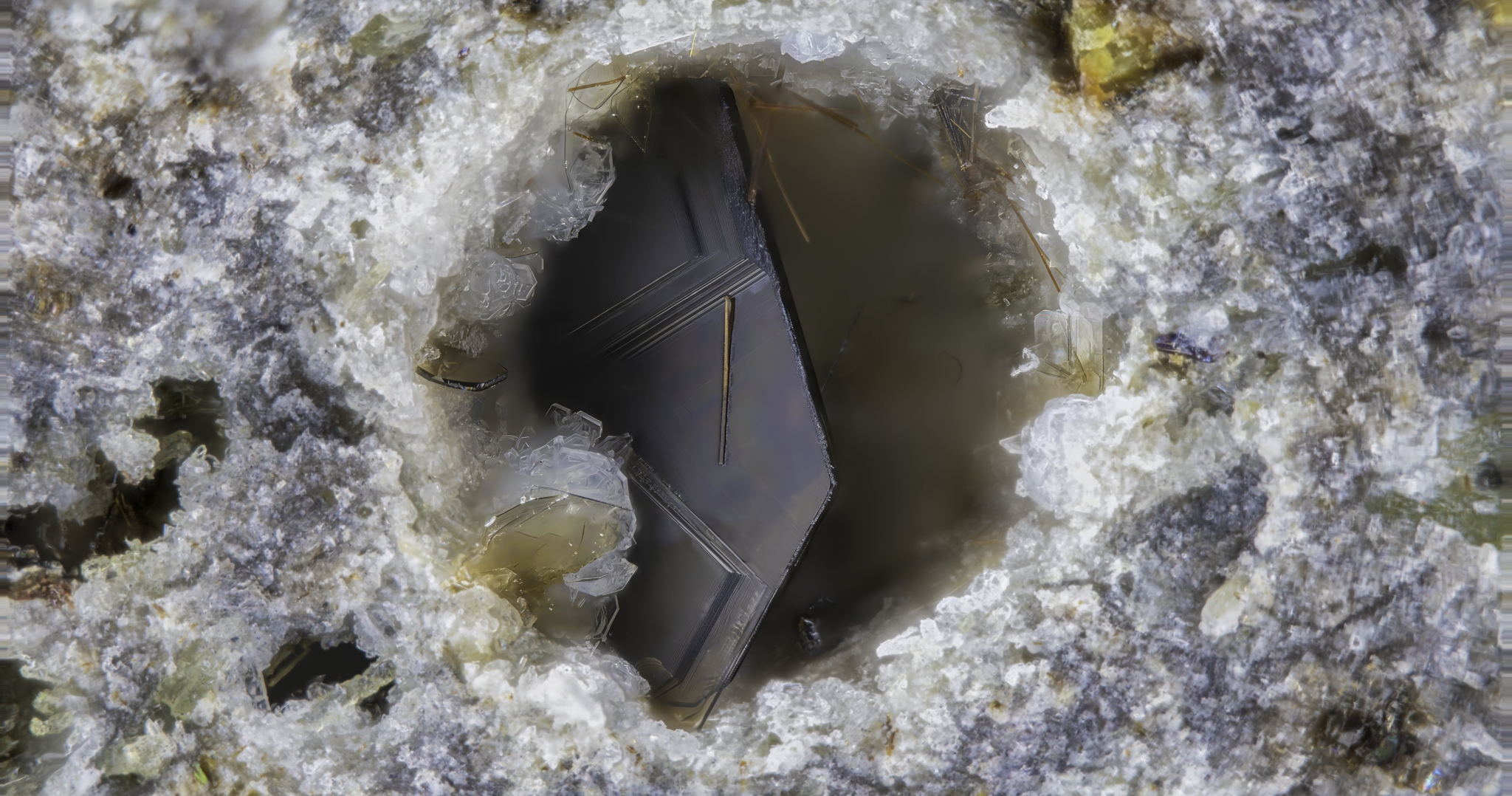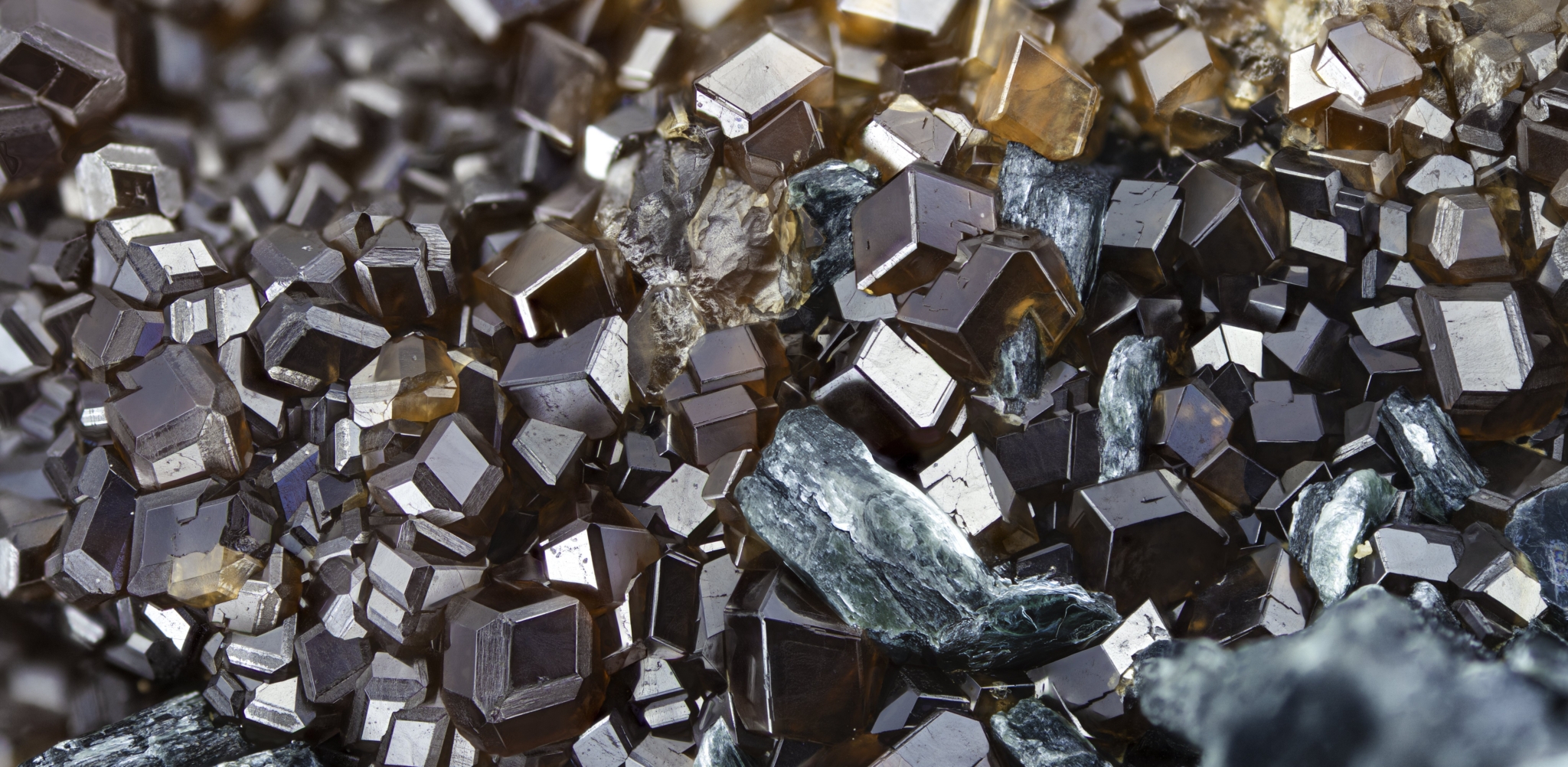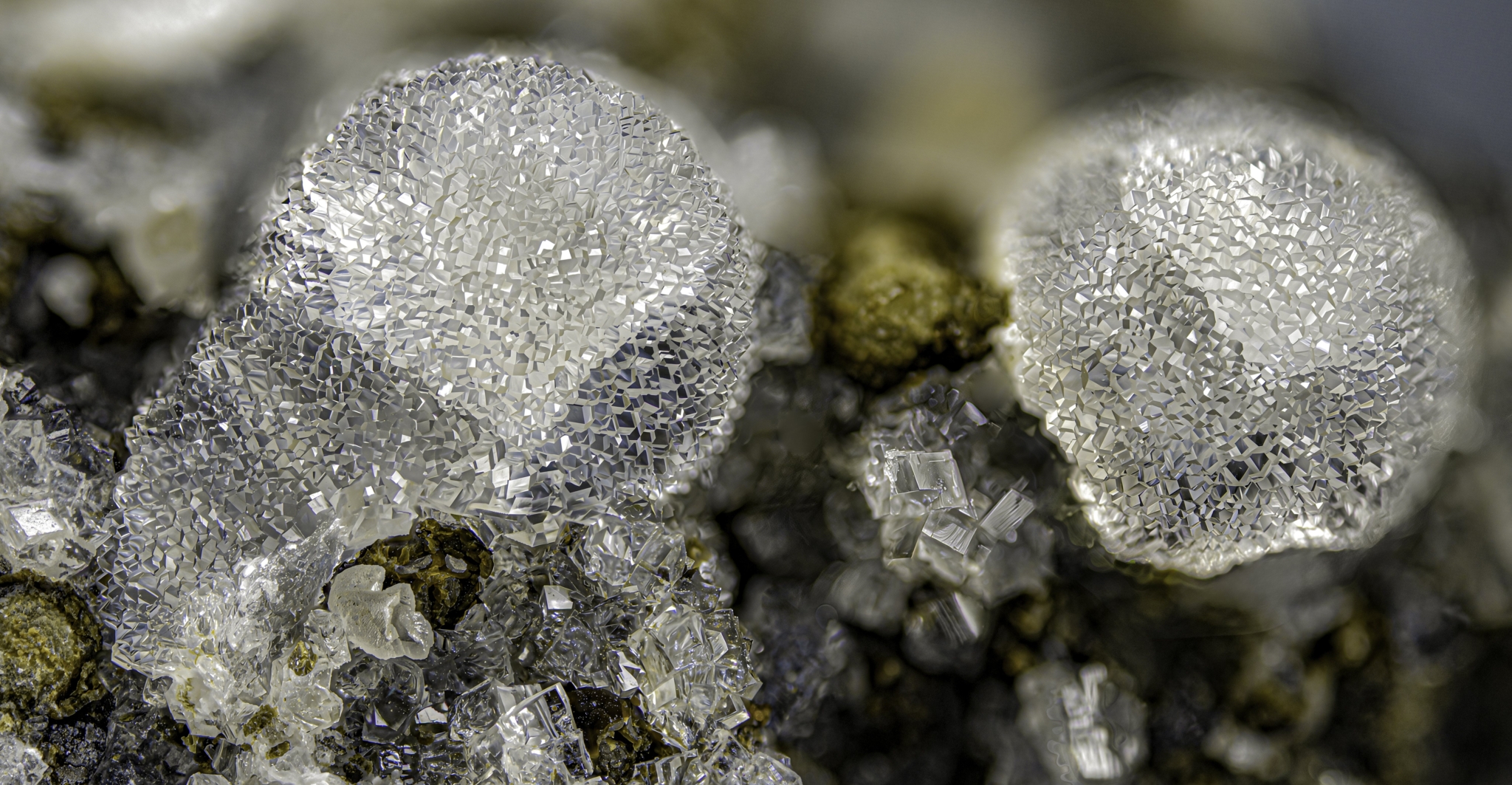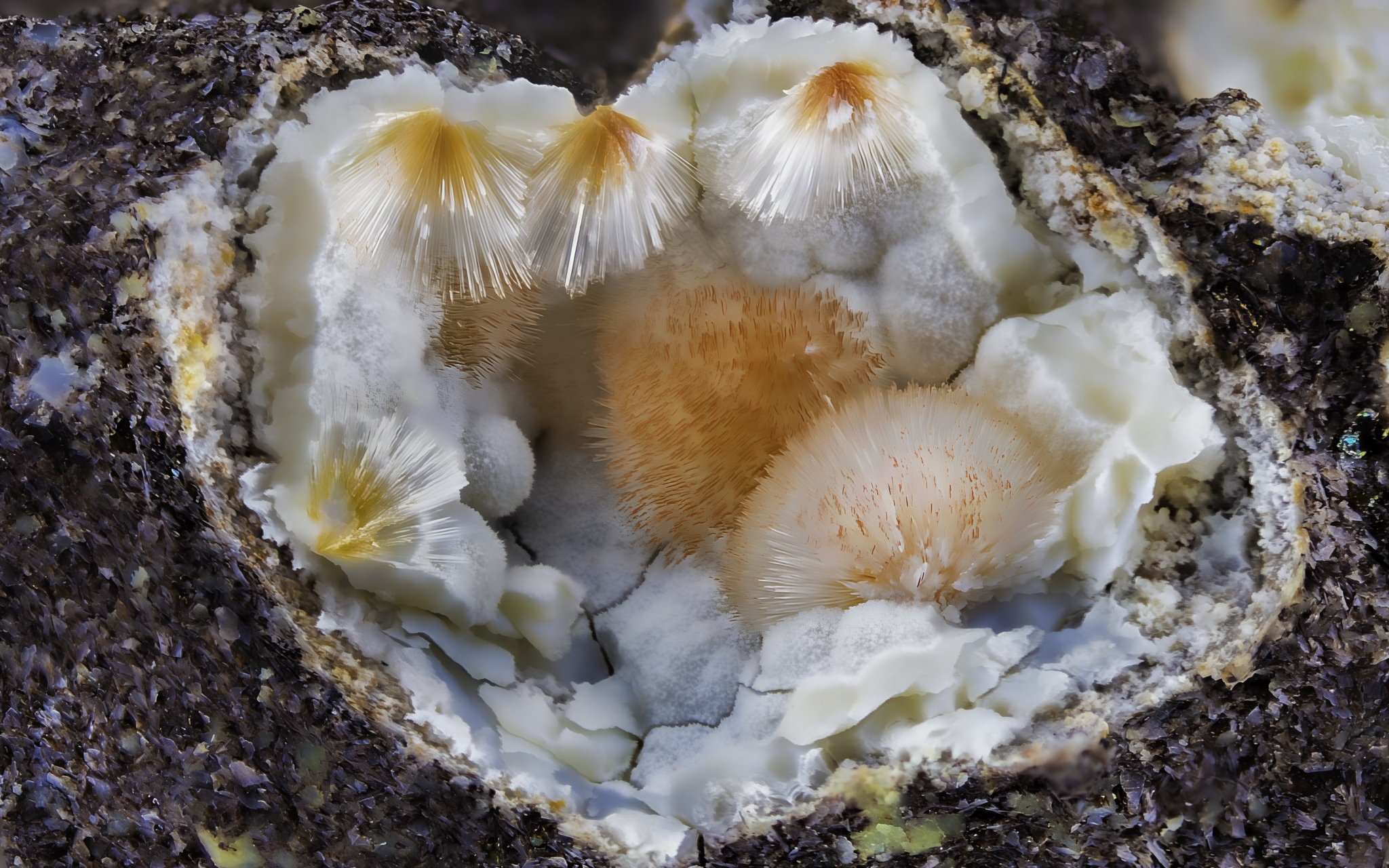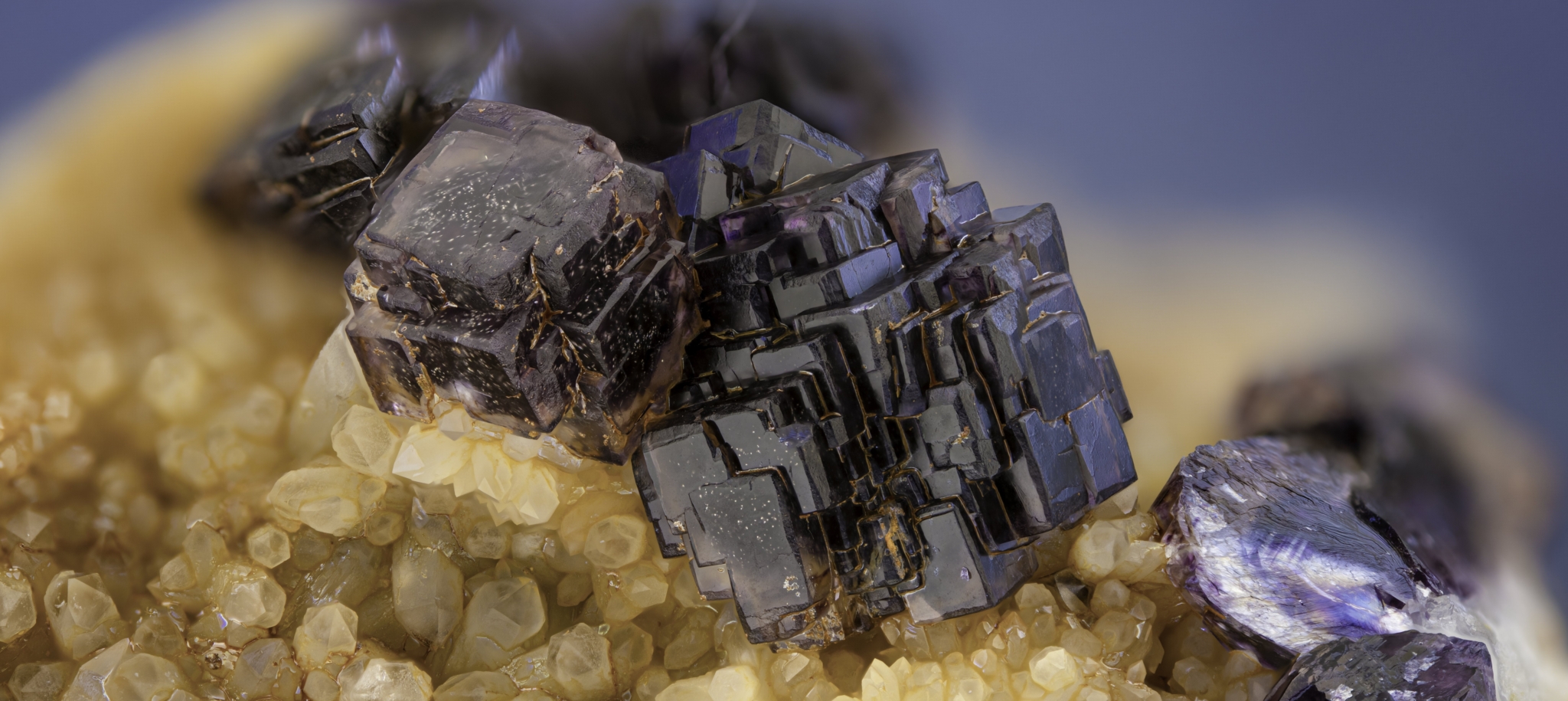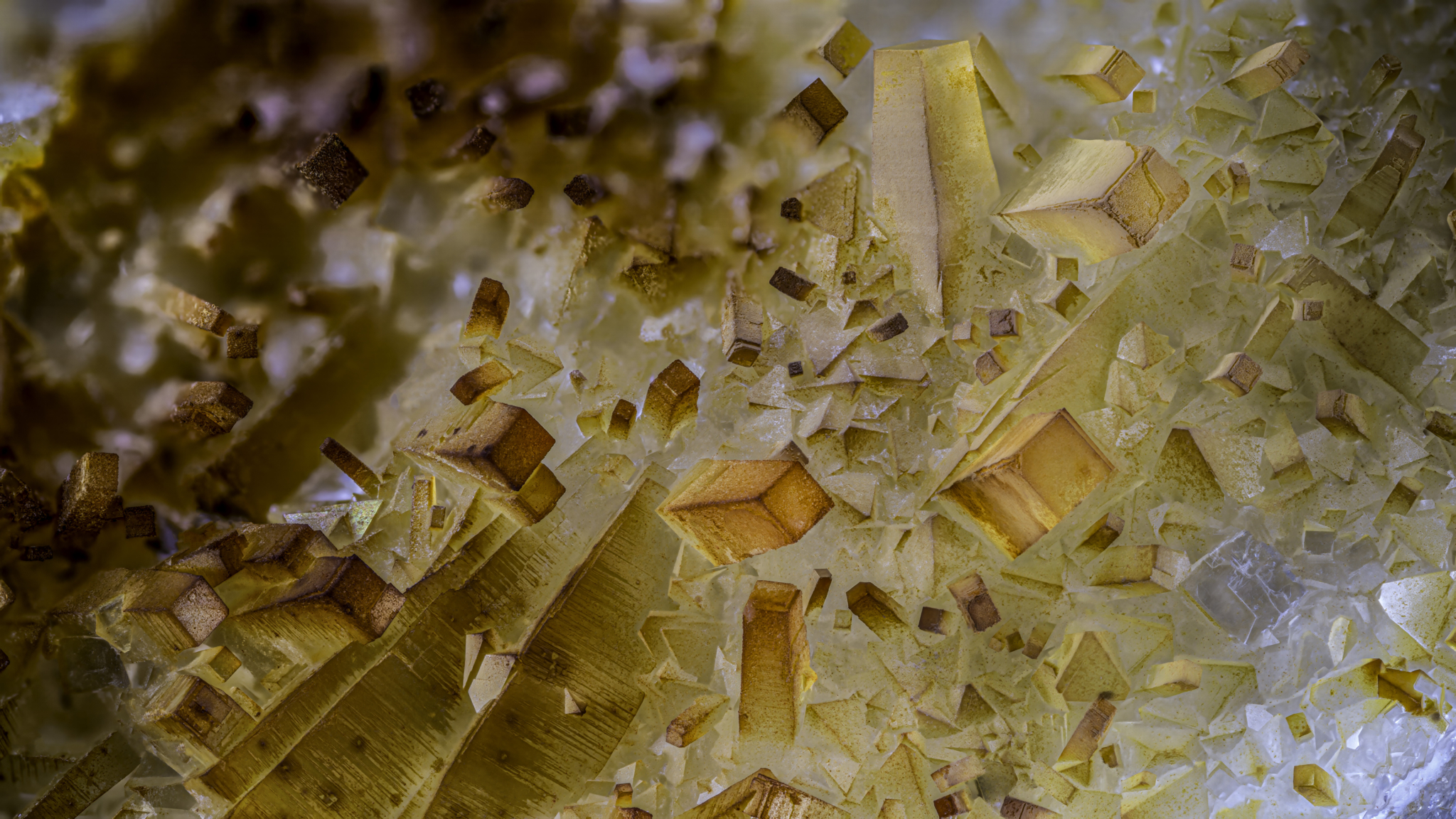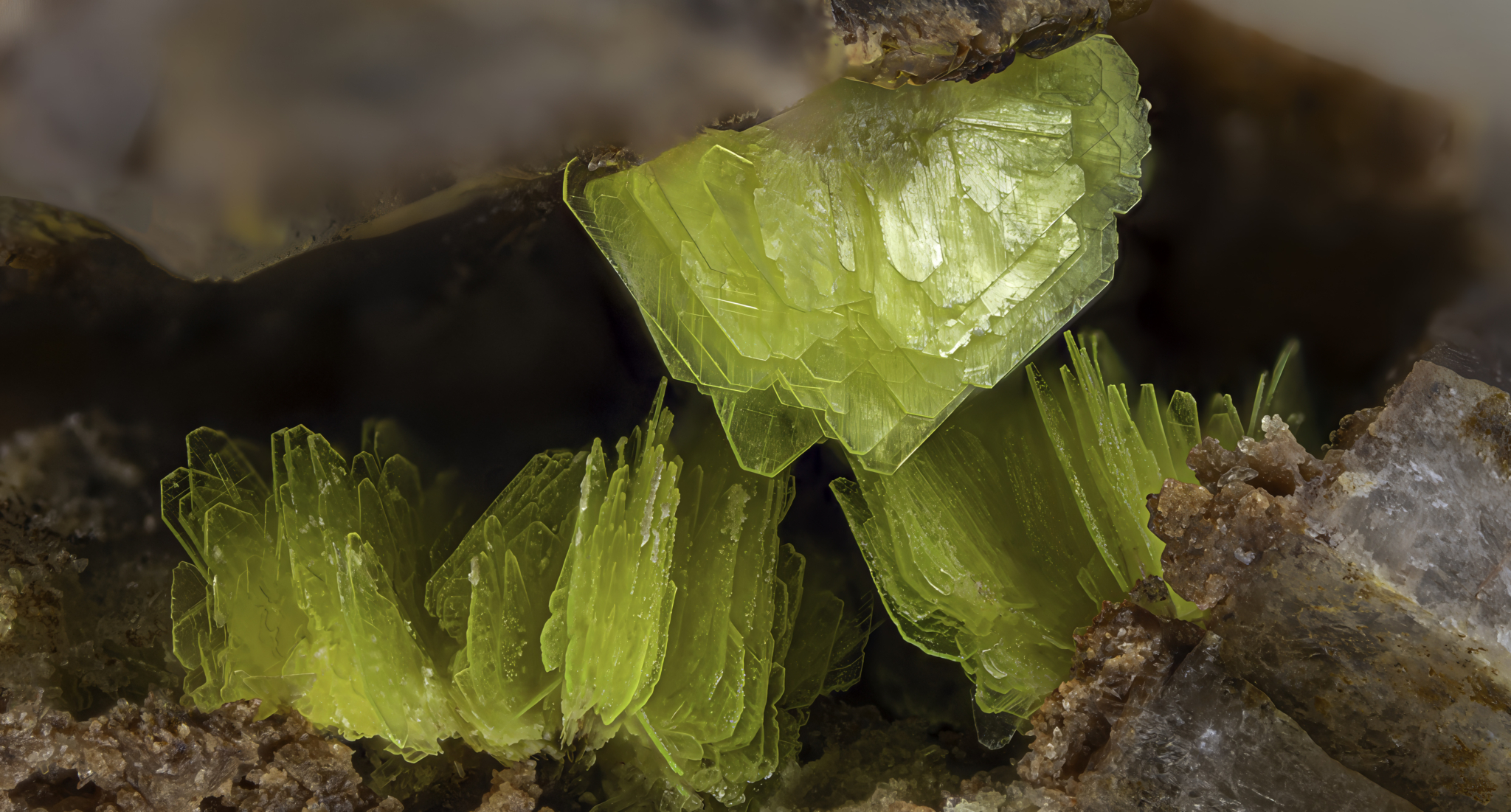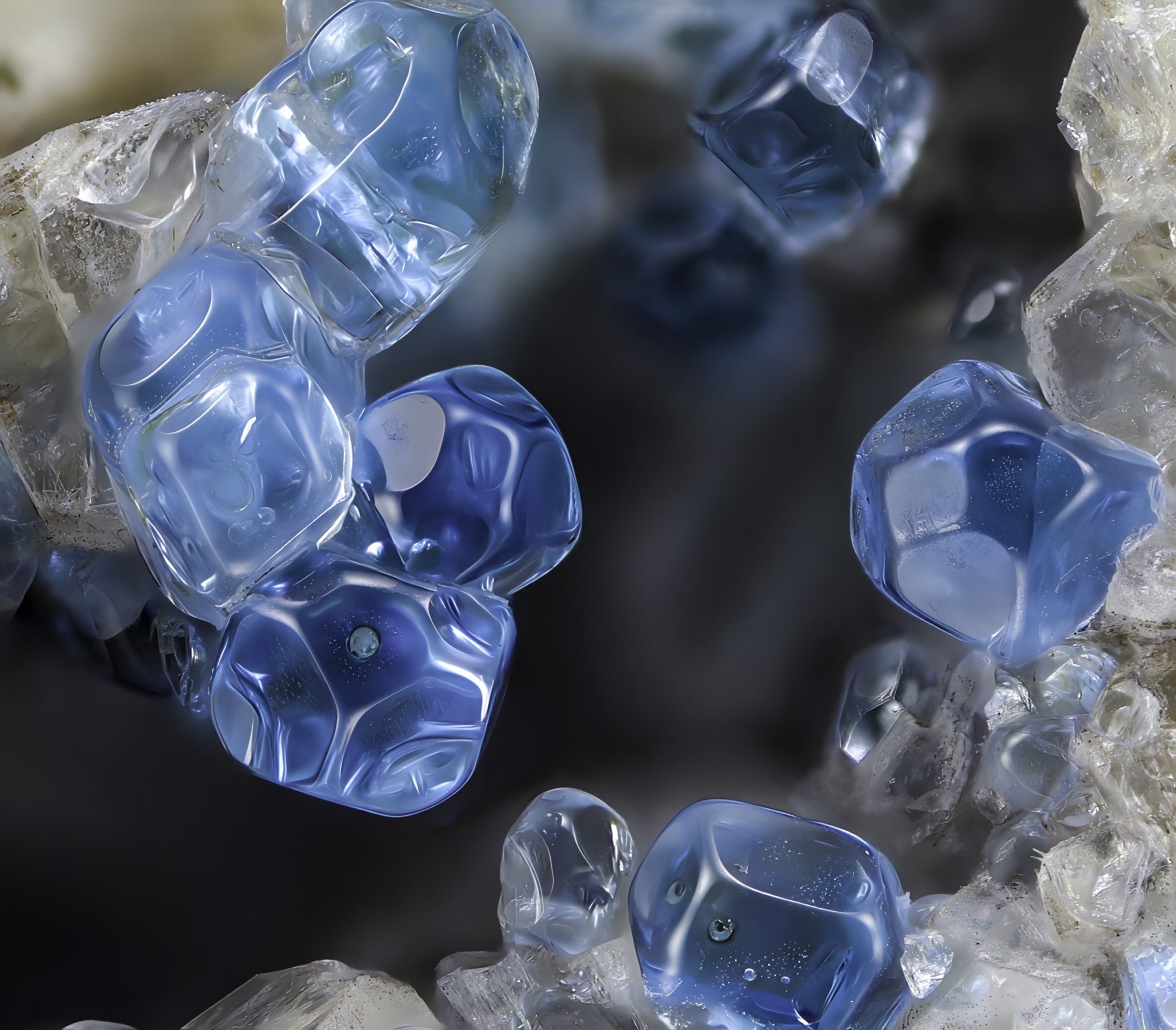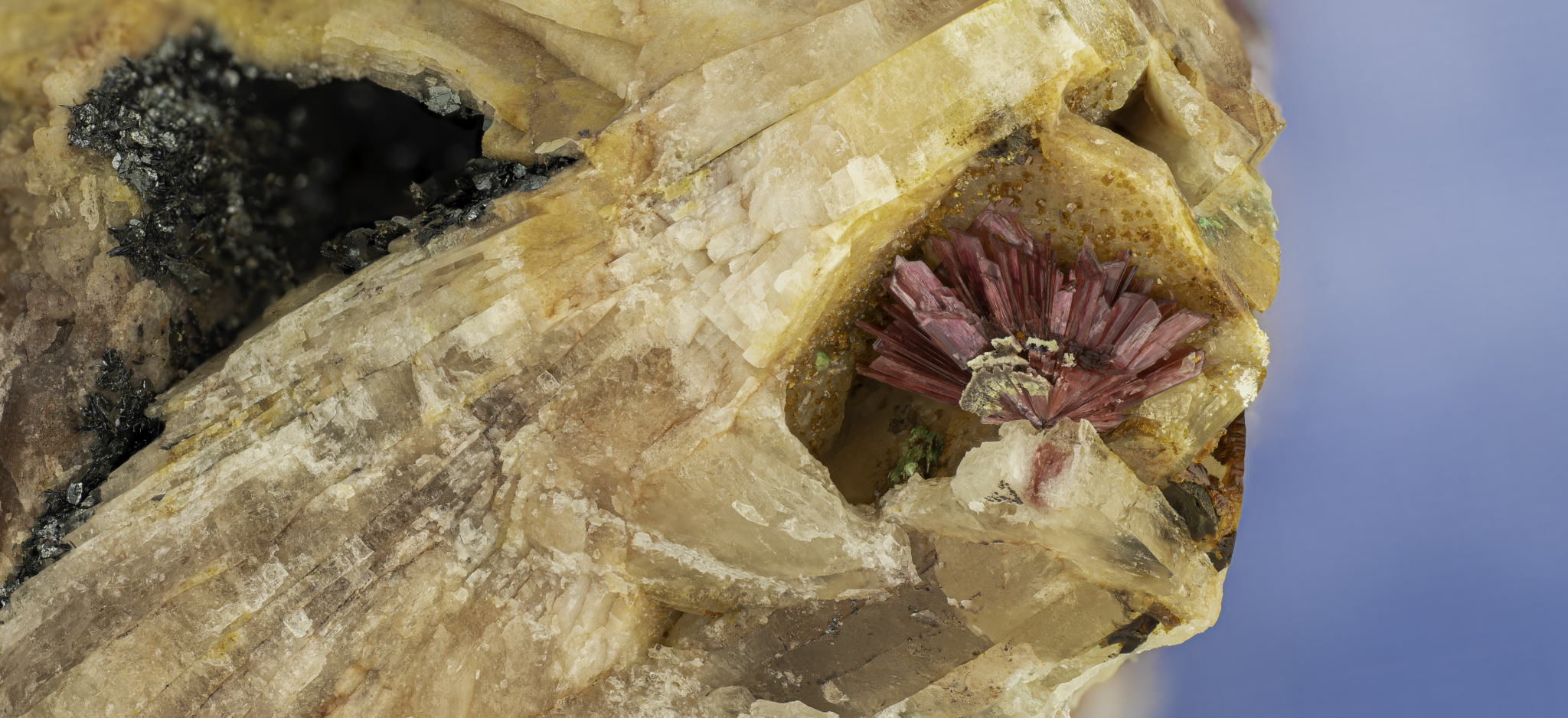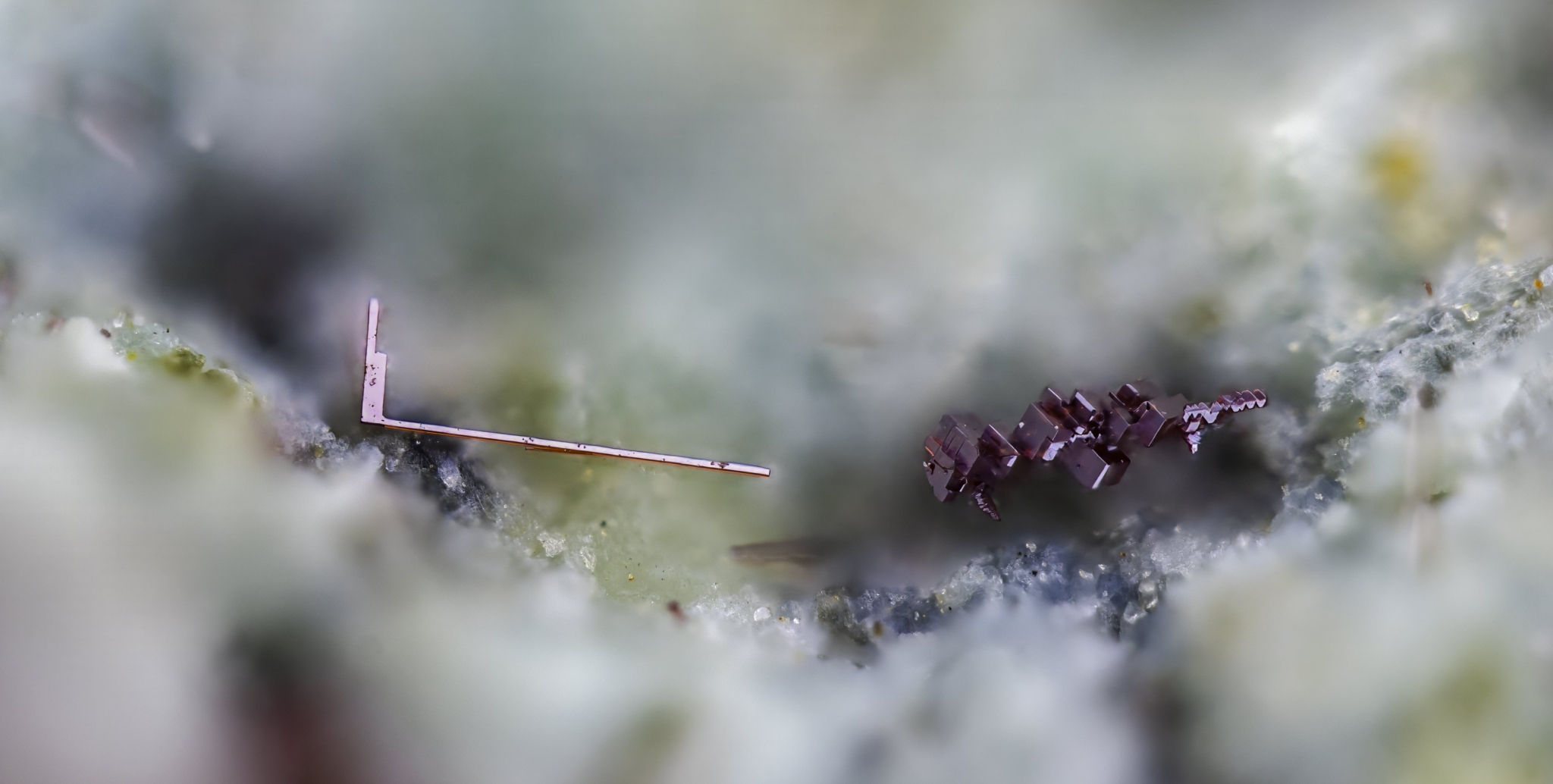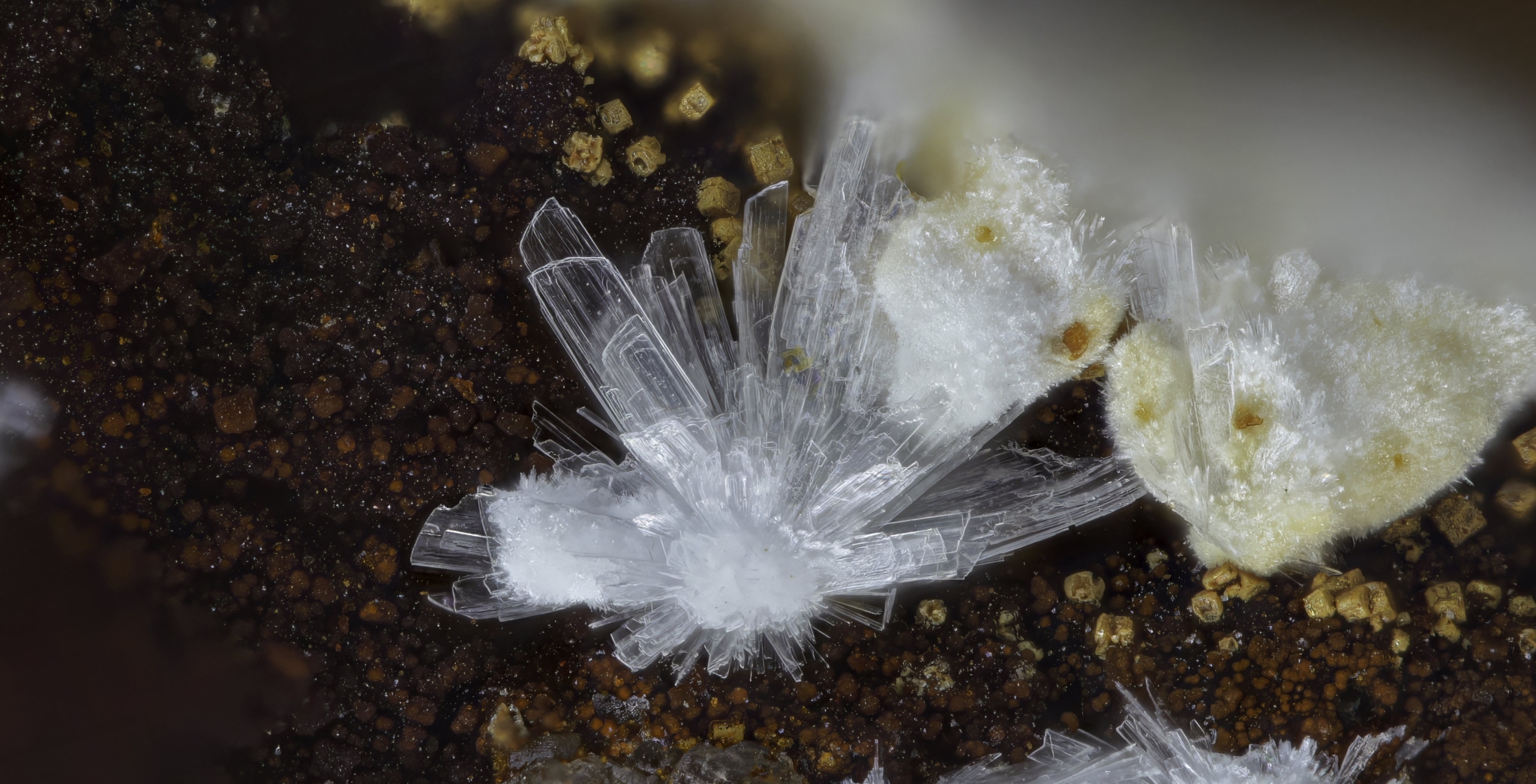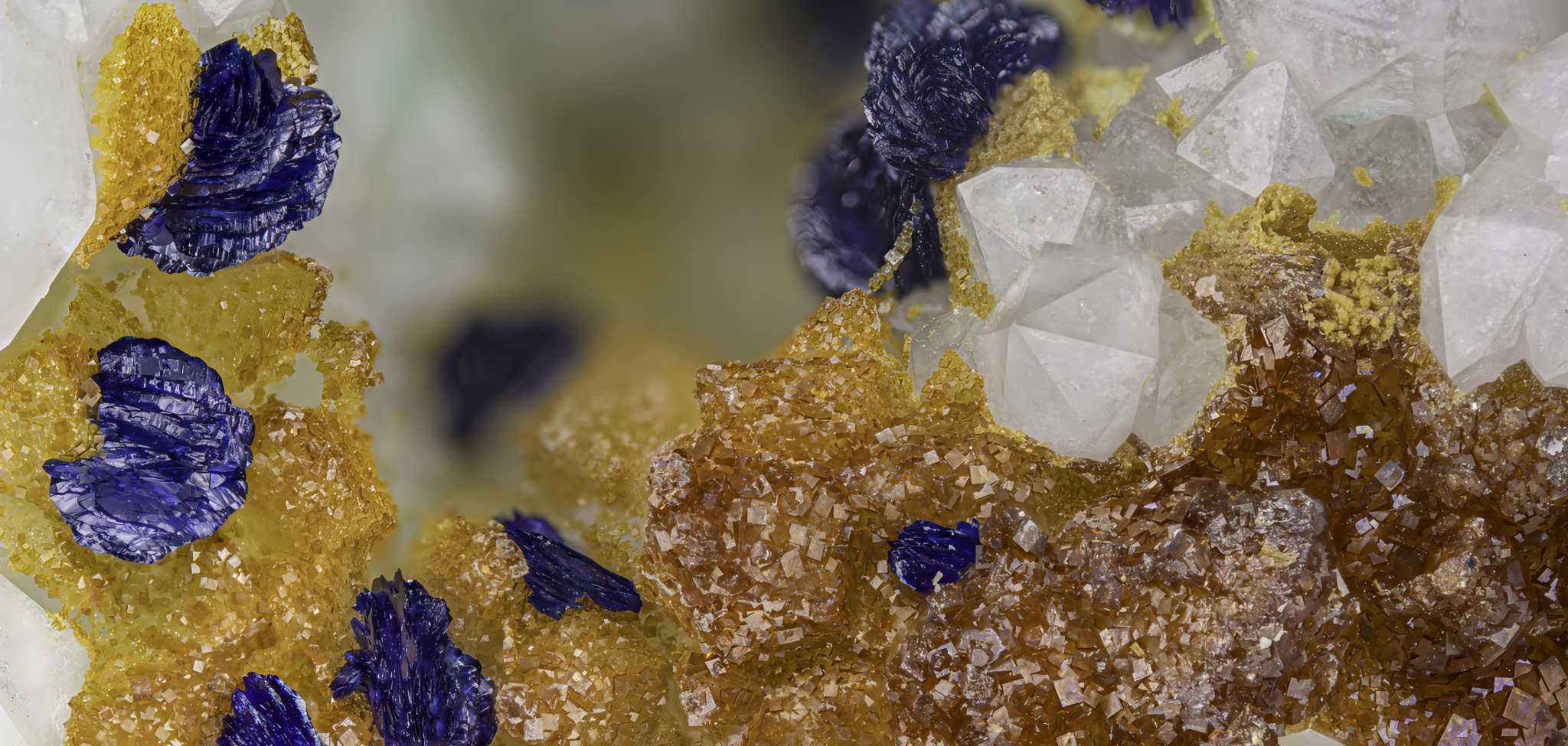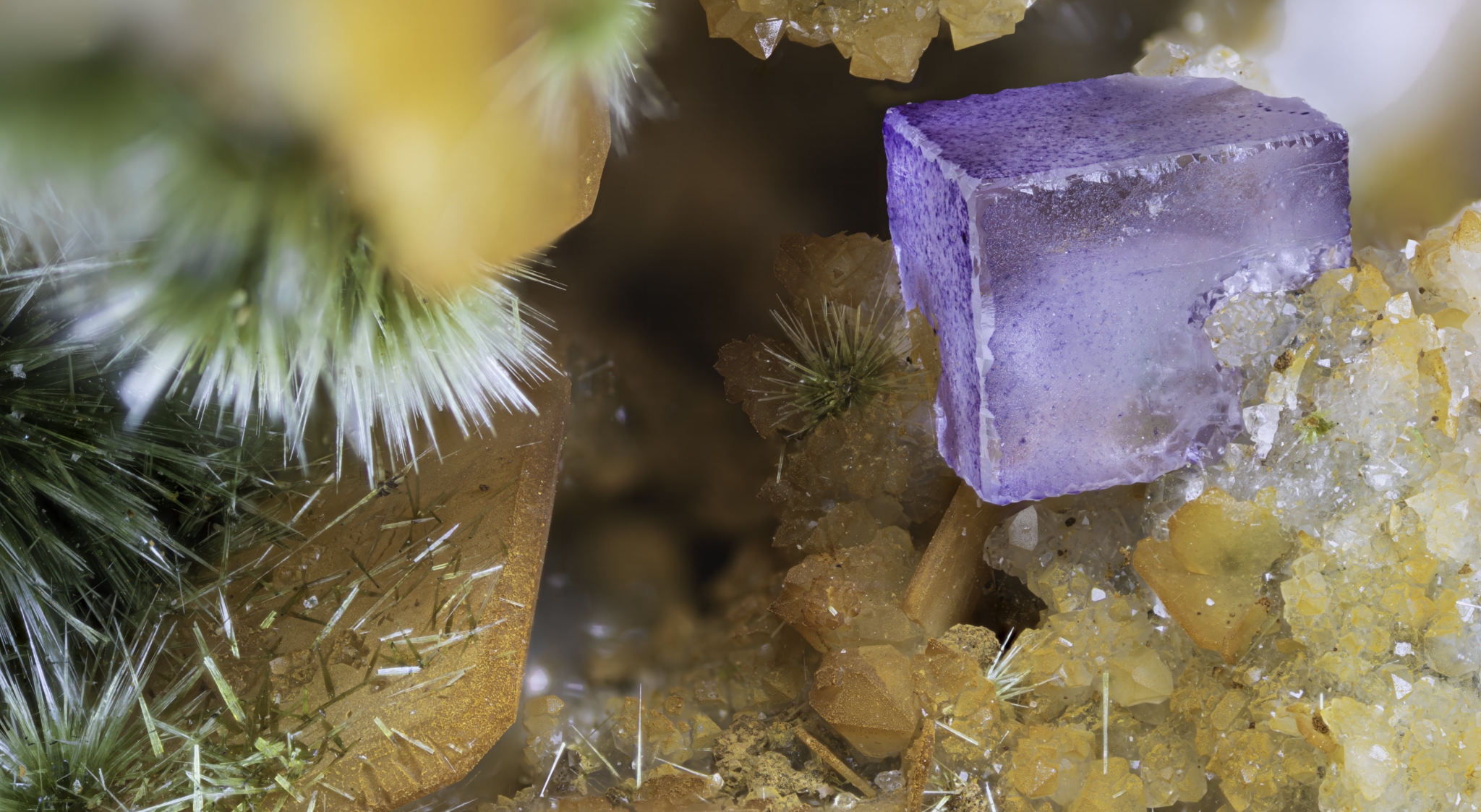
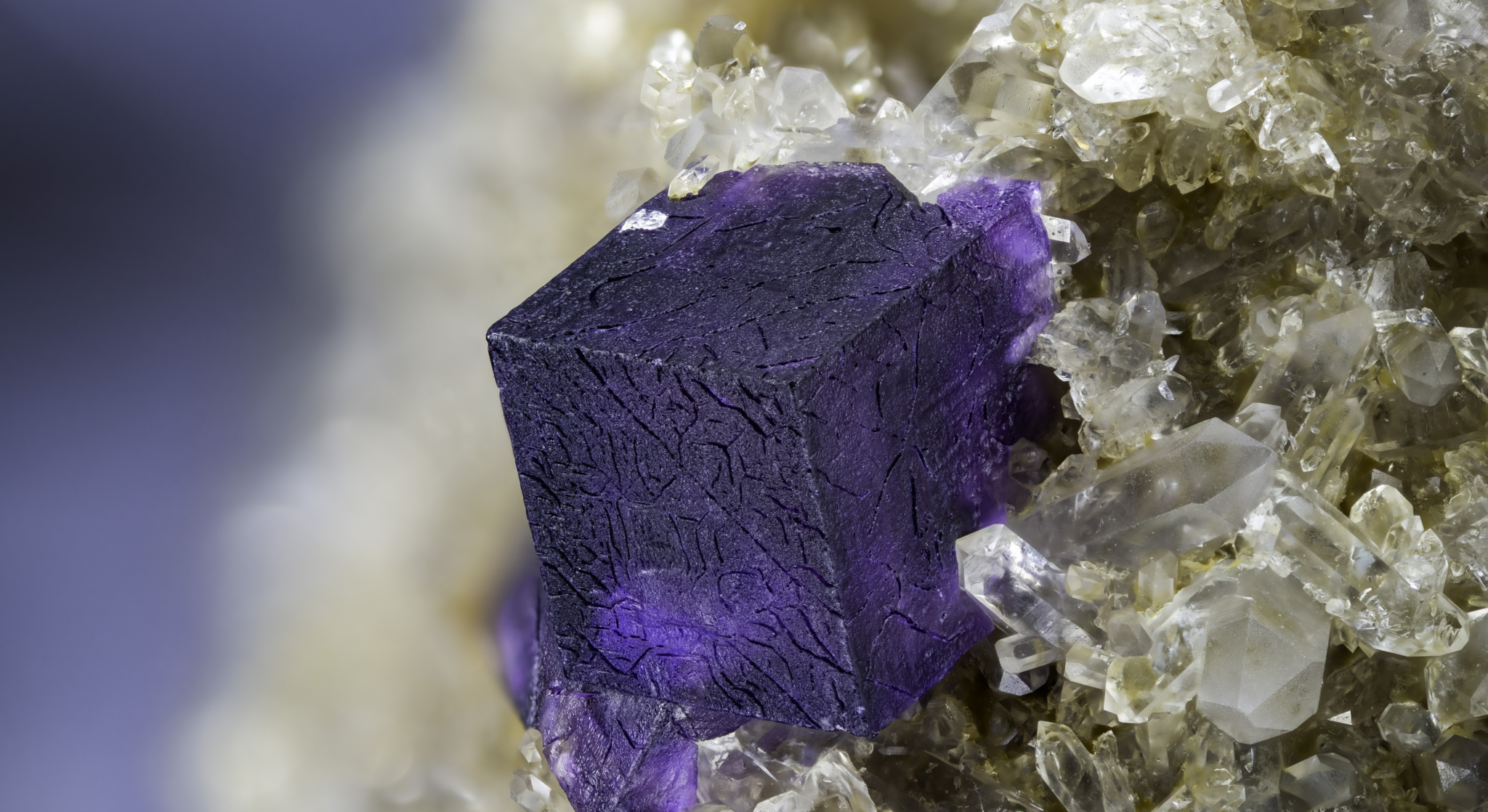
Fluorite
Aztec Violet
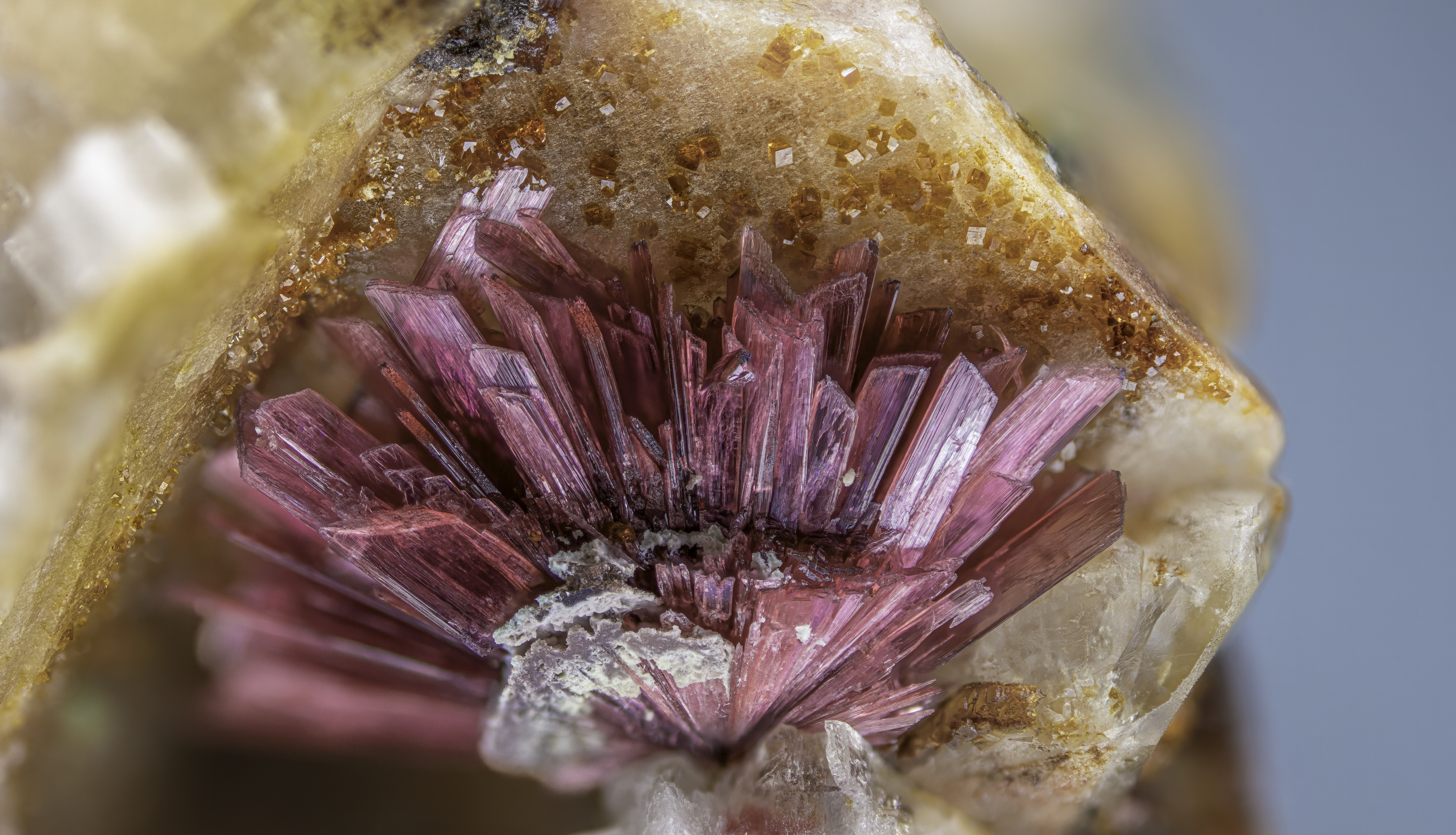
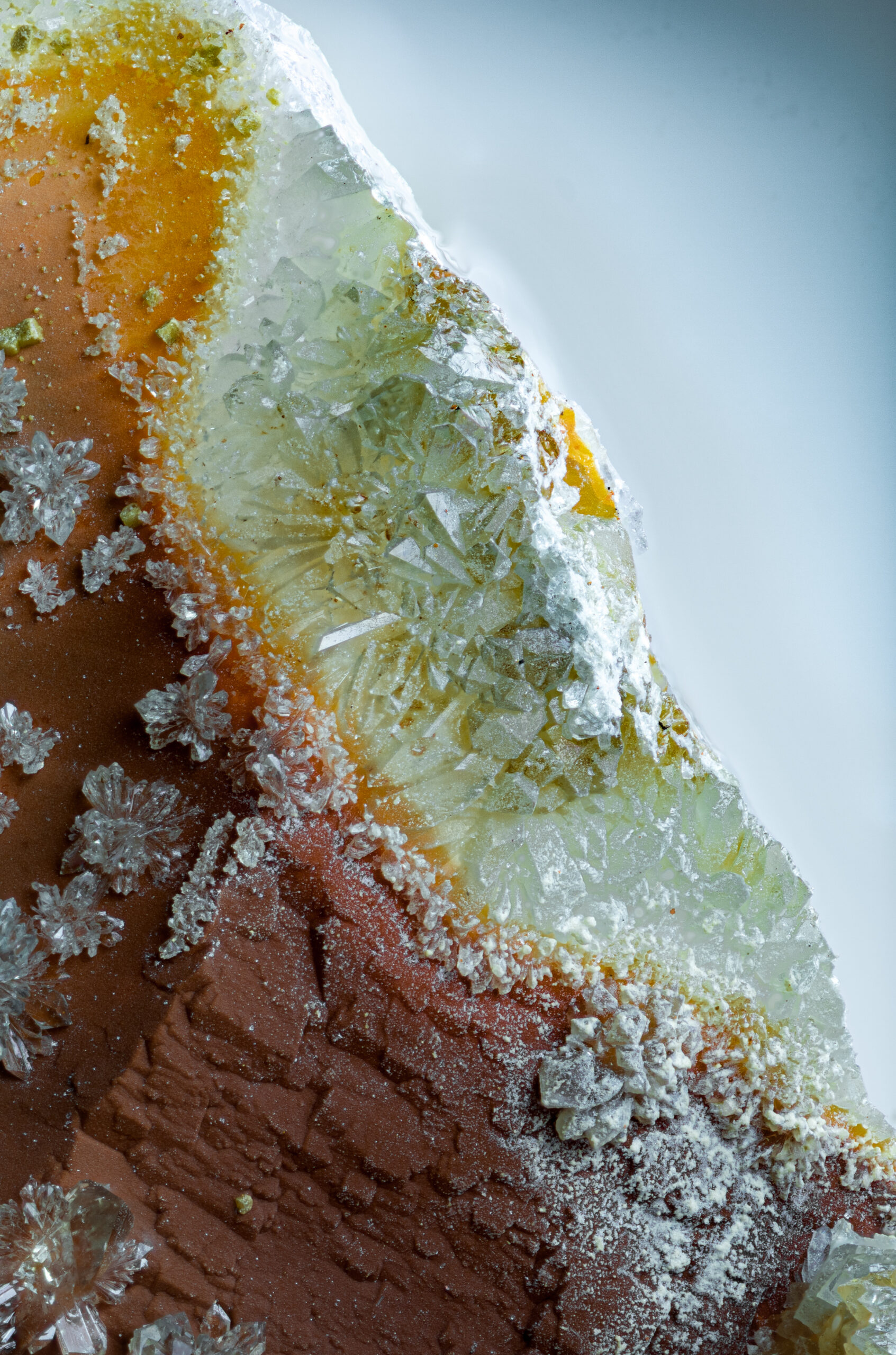
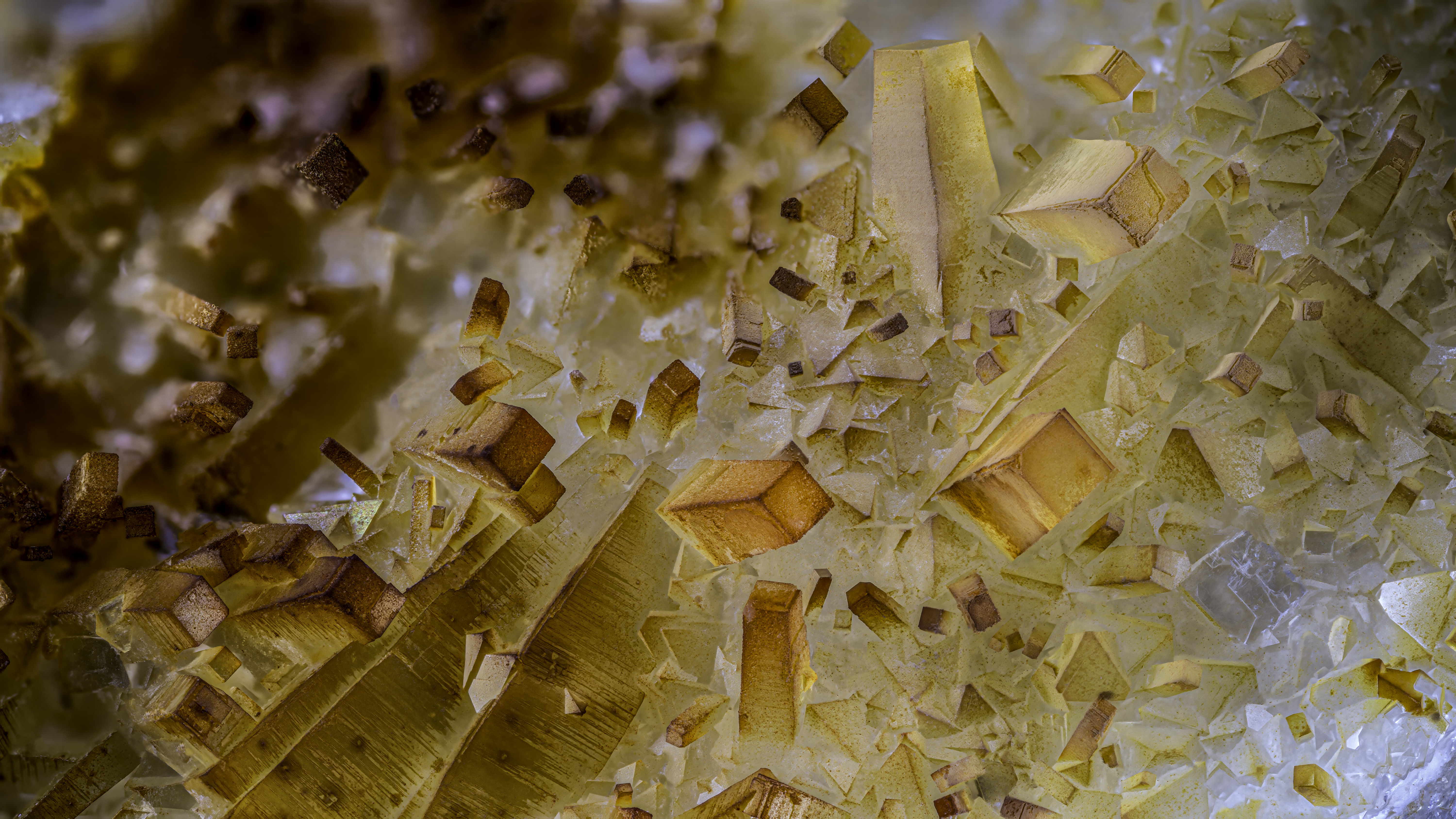
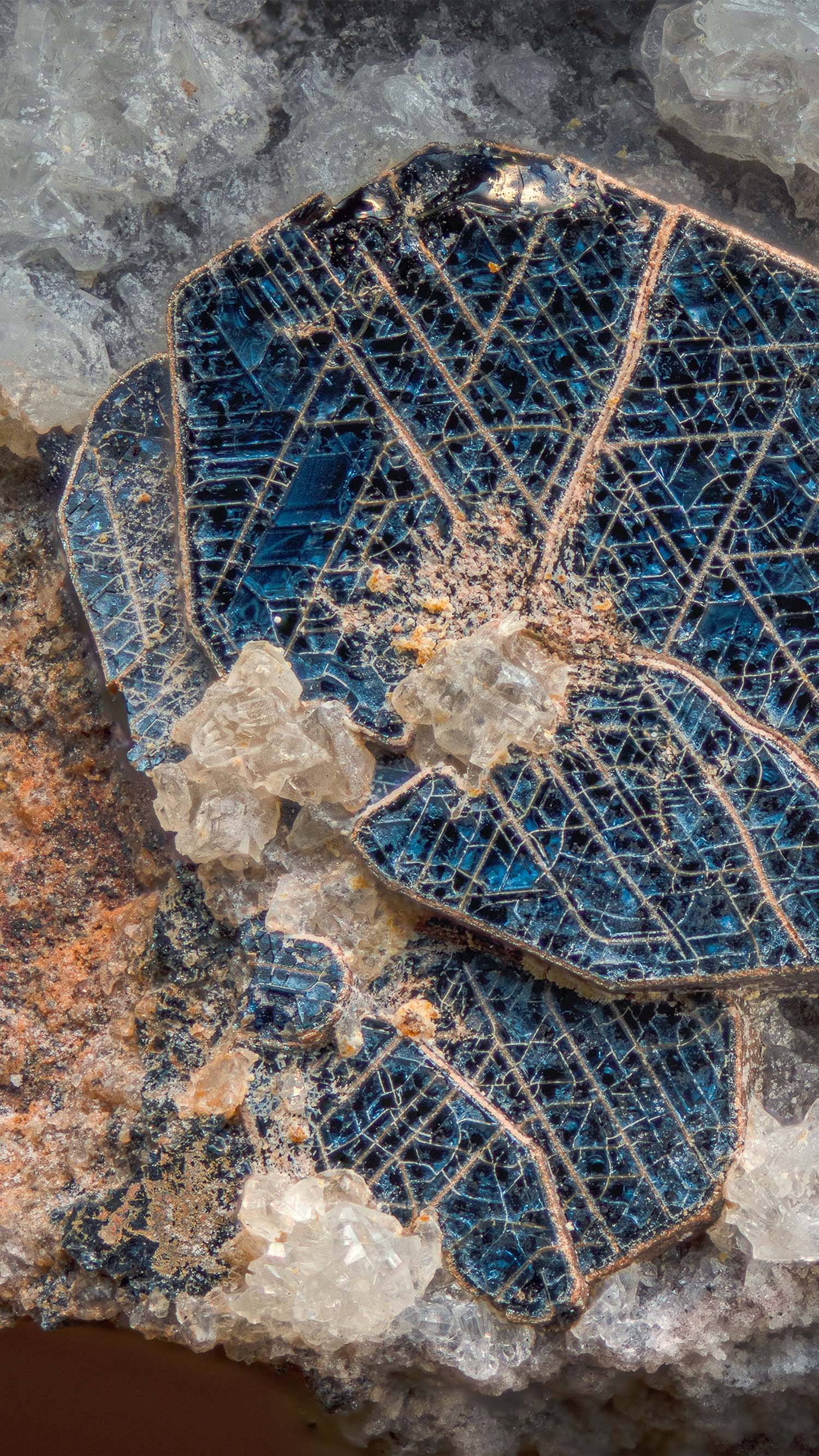
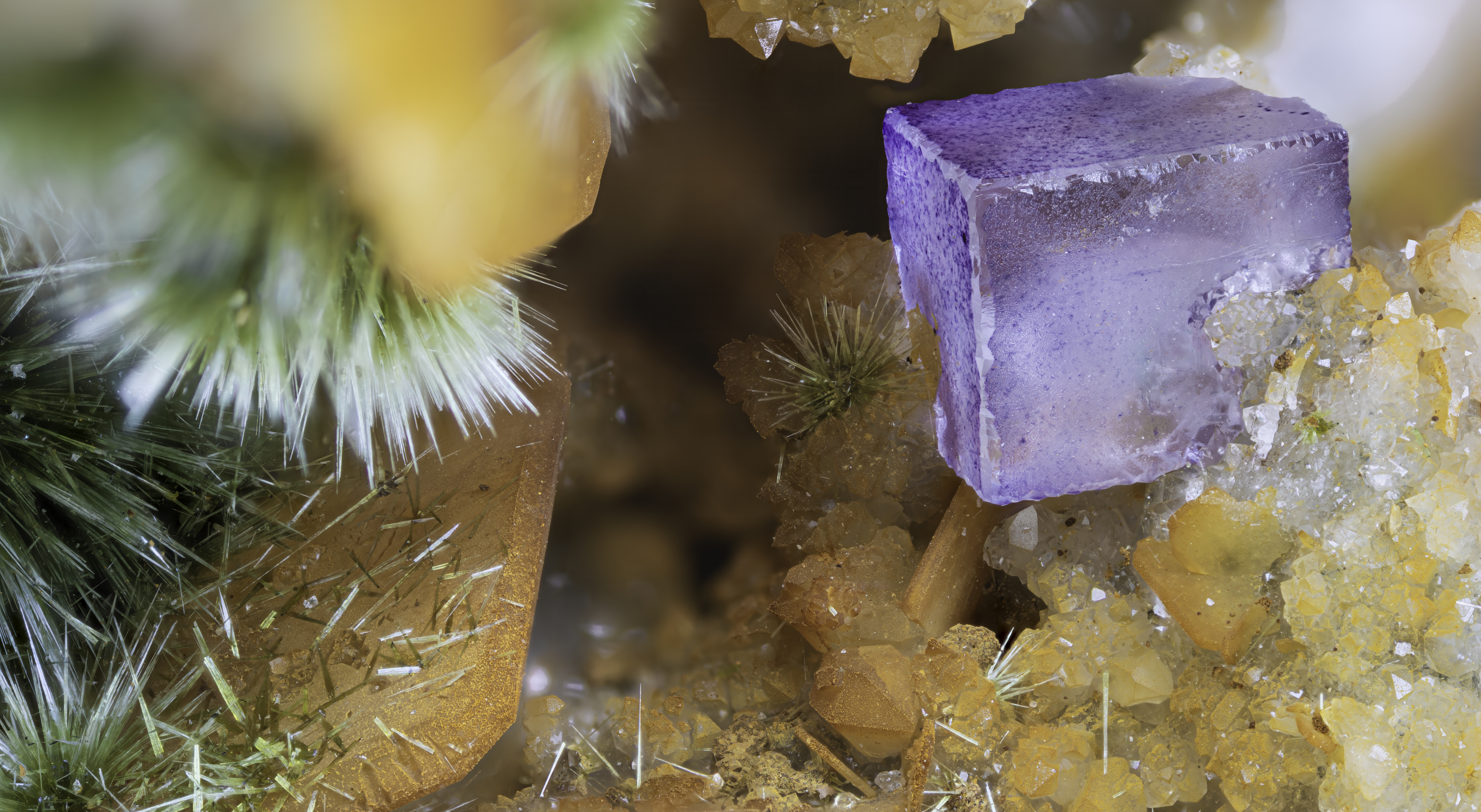
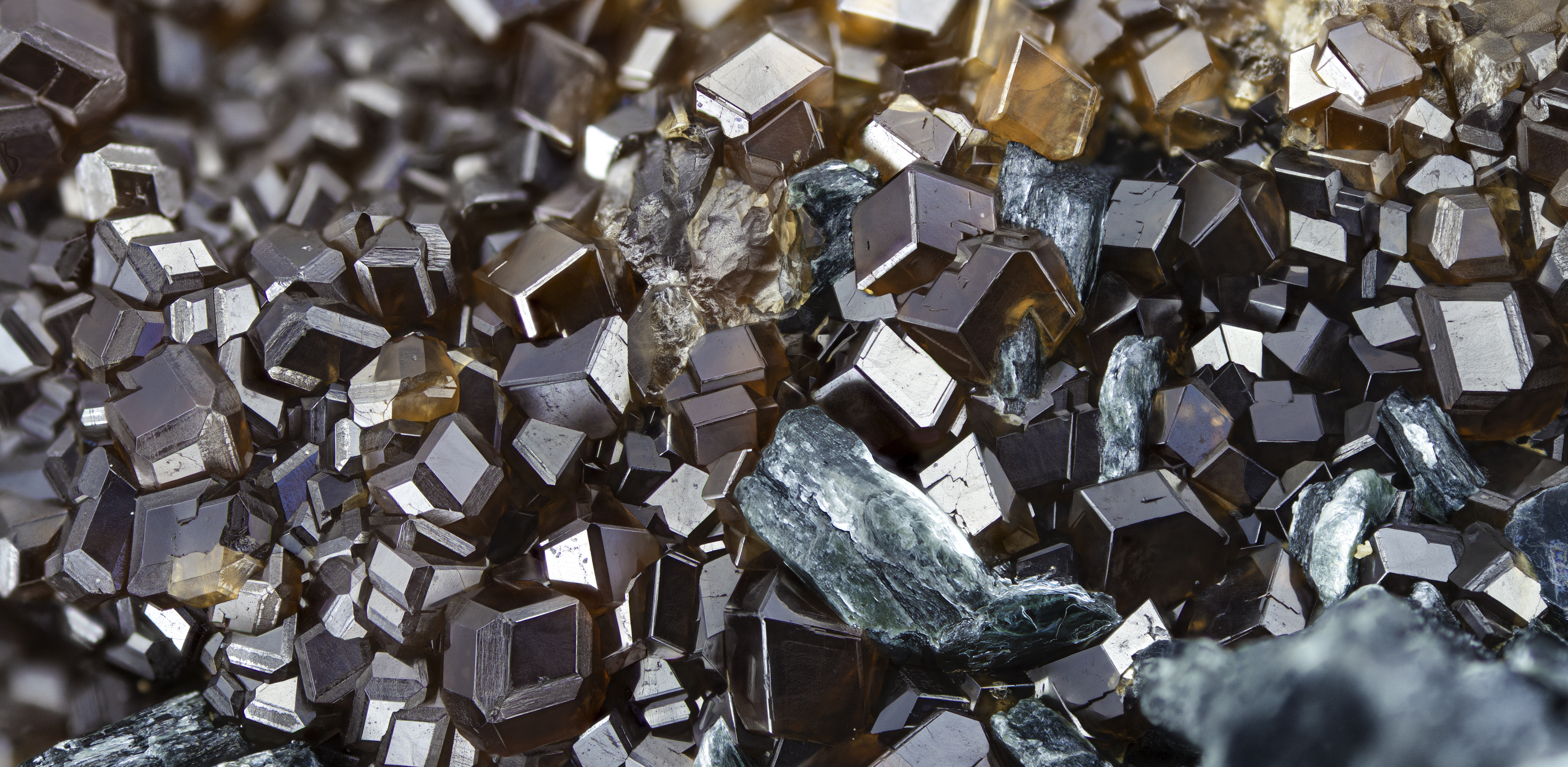
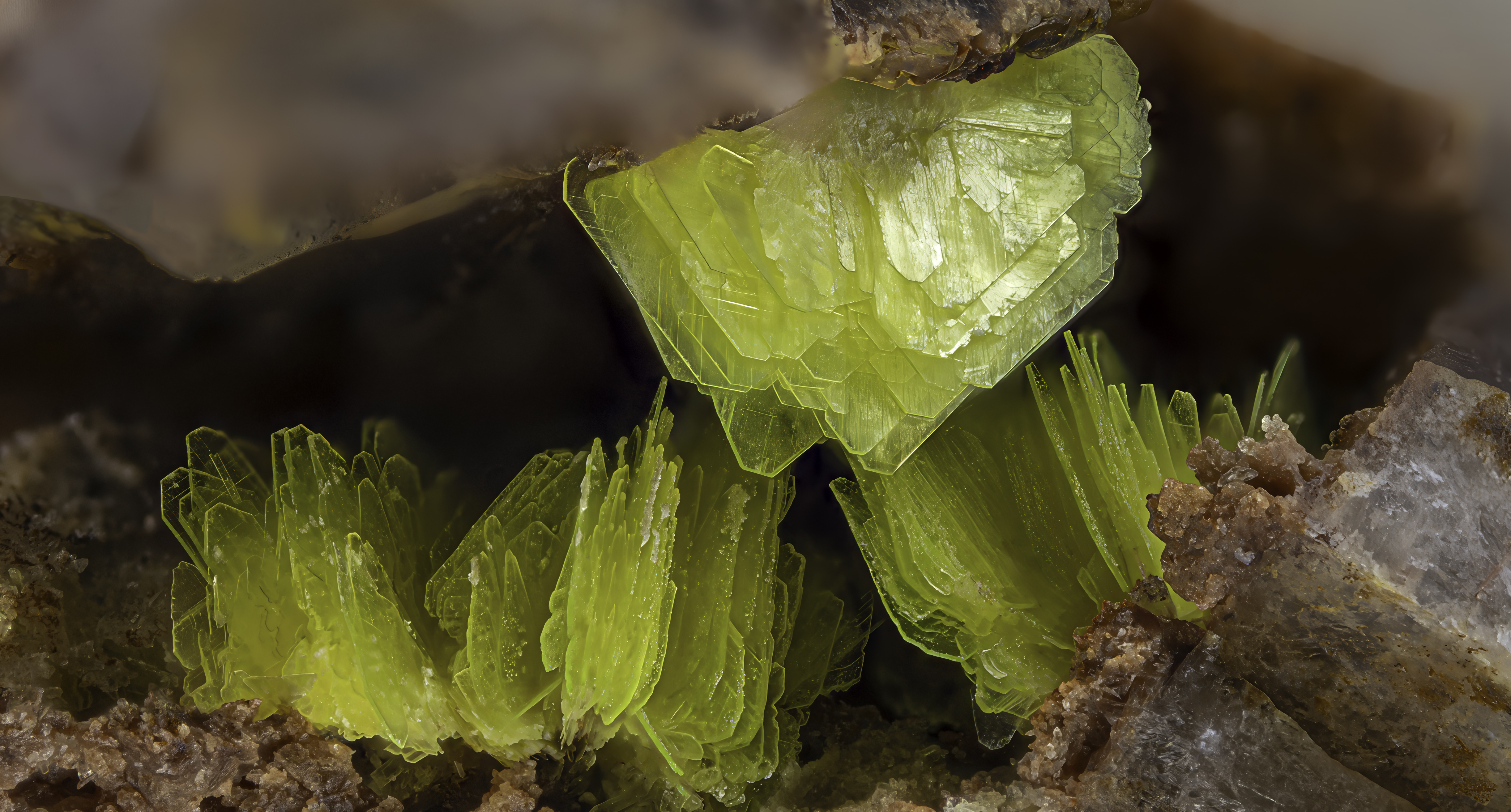
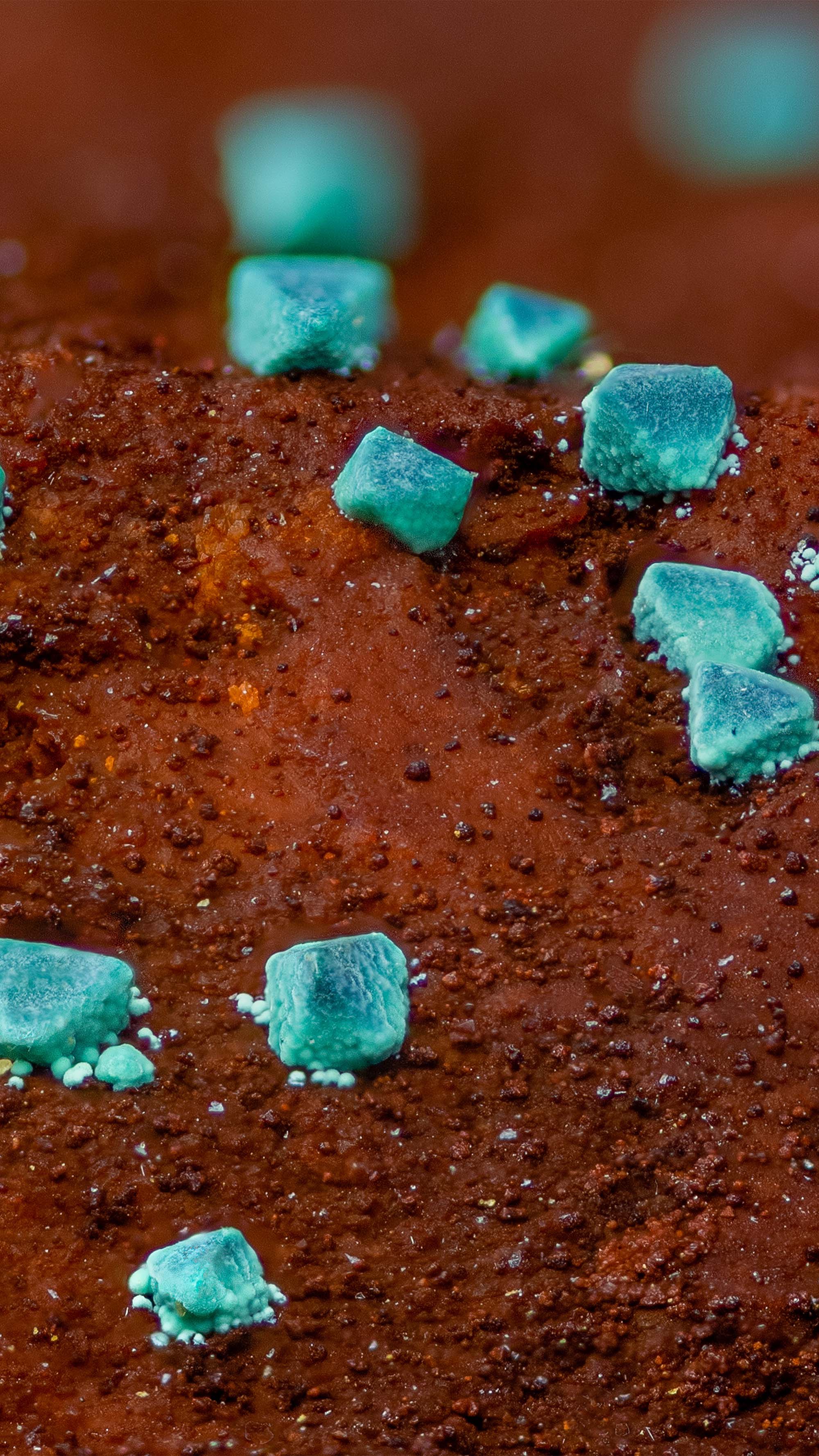




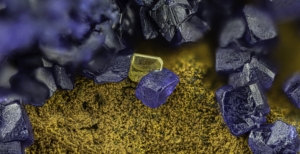
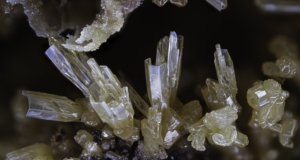
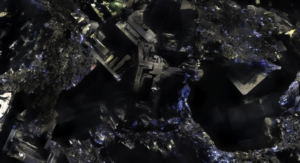
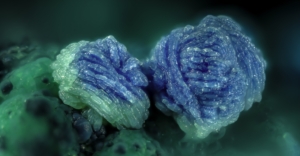
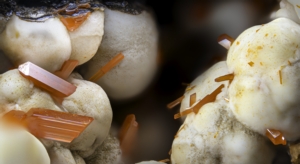
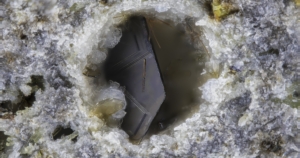
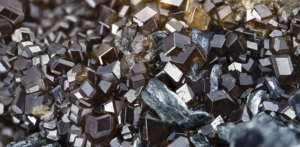
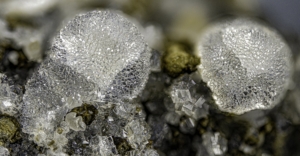
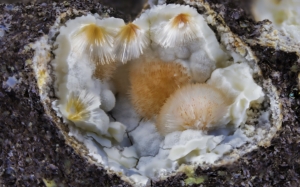
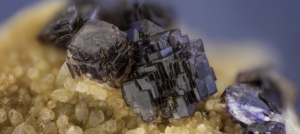
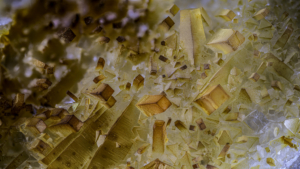
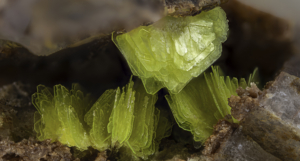
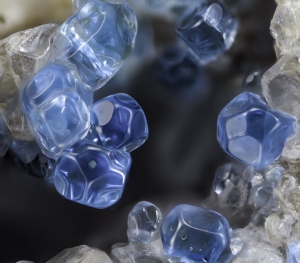
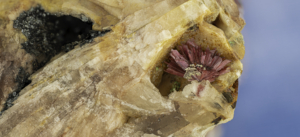
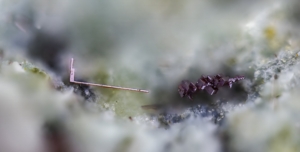
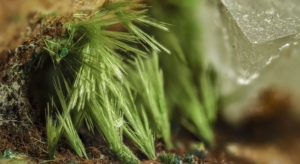
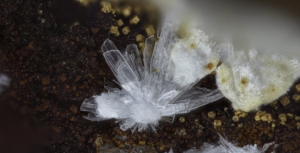
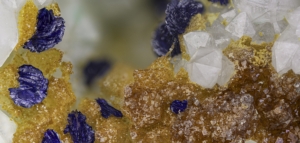
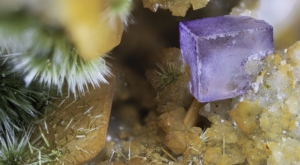
Macro mineral photography reveals what geology hides. A crystal’s internal geometry. The way light breaks and bends inside a mineral layer. The layered color architecture of a mineral formed over millions of years, fifty meters underground. We photograph those things.
Supernatural Minerals is a fine art photography studio built around one specific obsession: revealing the hidden visual world locked inside natural minerals. Through macro mineral photography and microscopic imaging, we turn geological specimens into large-format fine art prints that belong in museums – and increasingly, in serious private collections.
This isn’t point-and-shoot macro work. In fact, every image produced at Supernatural Minerals moves through a precise scientific imaging workflow designed to extract maximum structural detail from each specimen.
To achieve this, we build our imaging system around the Sony A7R IV, paired with Mitutoyo industrial microscope objectives – the same optics used in precision manufacturing environments. In addition, we use Laowa macro lenses alongside a Hirox 3D Digital Microscope, which lets us map surface topology in three dimensions before composing the final shot.
For focus stacking, we use a StackMaster precision focus rail with sub-millimeter positioning, mounted on a Nexus Board vibration-free platform. Even microscopic ambient vibration degrades sharpness at this scale – so we eliminate it entirely. As a result, Zerene Stacker merges the individual focal planes into a single image with full depth of field across the entire mineral surface.
Finally, post-production runs through DaVinci Resolve Studio on an RTX 5090 workstation, where we handle color science, tone mapping, and resolution processing at the level that commercial printing demands.
The result: macro mineral photography with scientific-grade sharpness, produced at a resolution that holds detail at any print size.
Every piece starts with specimen selection. Not every mineral is visually interesting at macro scale – therefore, we look specifically for formations where internal structure, optical behavior, and surface geometry create genuine compositional tension. The mineral has to earn its place.
Once we select a specimen, we photograph it as a unique natural object. No artificial arrangement, no composite backgrounds. The final image is a faithful – if radically magnified – document of what actually exists inside that specific piece of geological material.
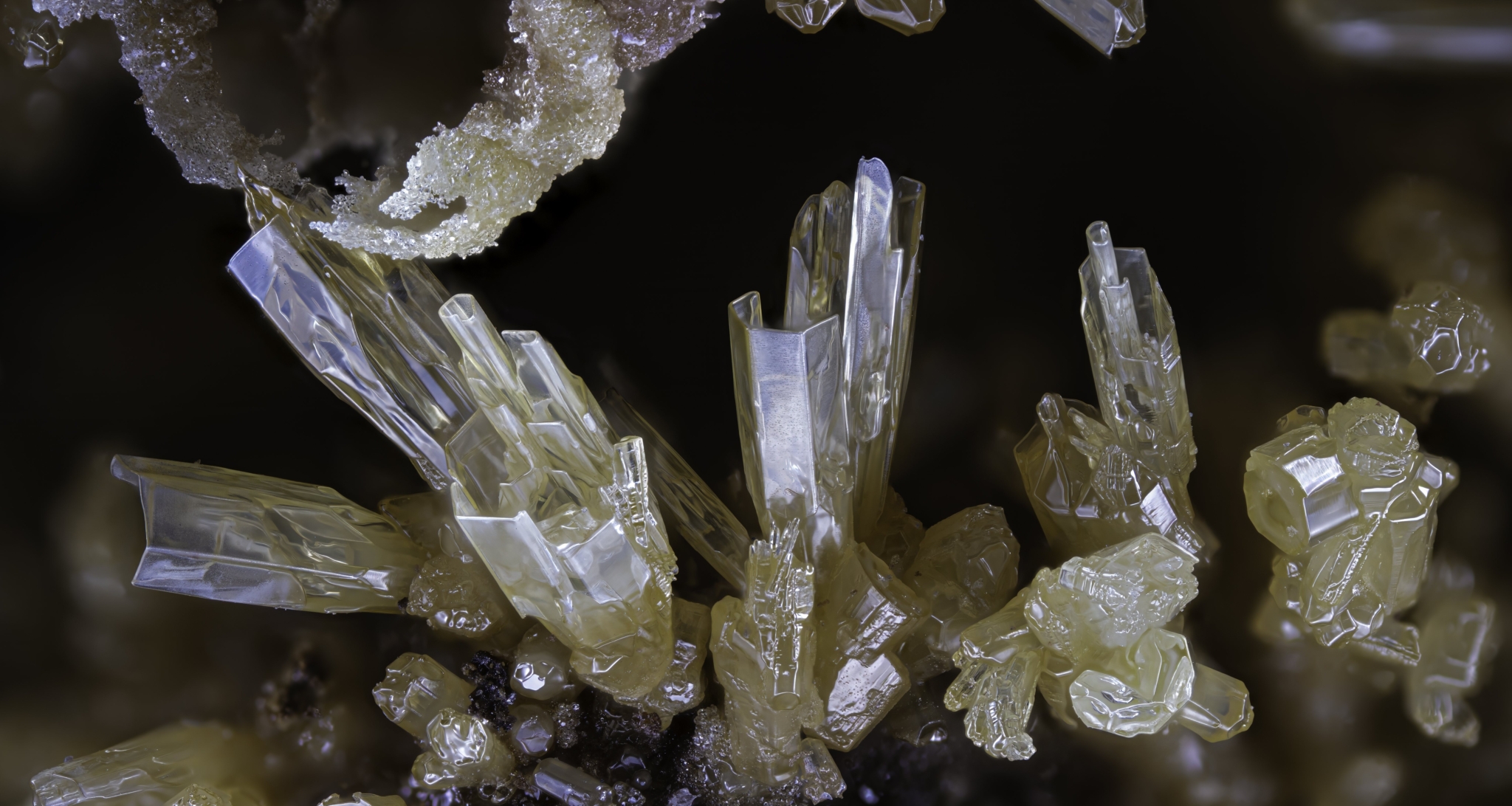
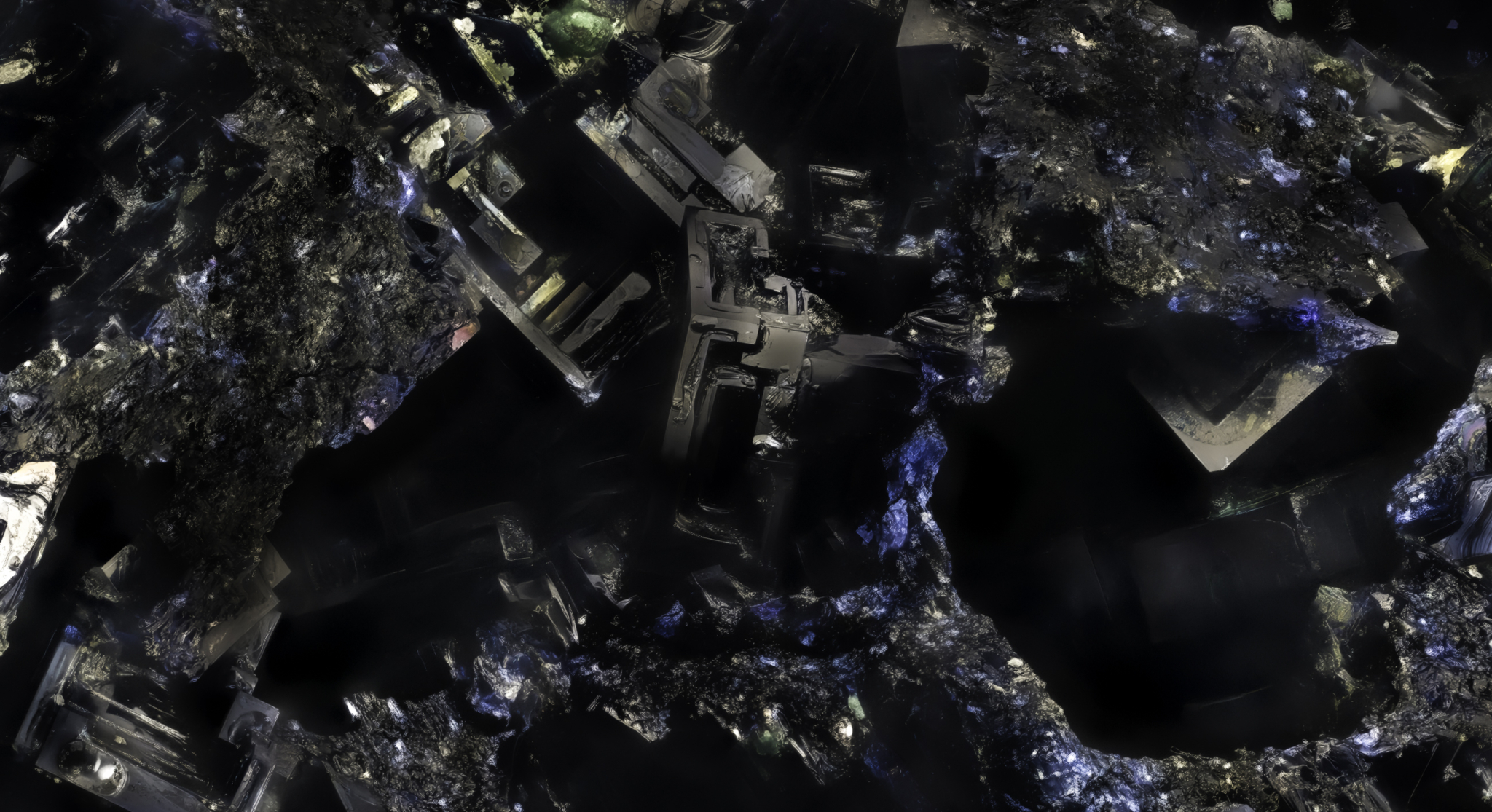
What changes is the scale. At 20x, 50x, or 100x magnification, crystal formations that measure a fraction of a millimeter become the dominant visual subject. As a consequence, internal fracture patterns read like aerial landscapes. Mineral inclusions become abstract geometric structures. The familiar becomes unrecognizable – and that’s precisely the point.
We produce all prints on museum-grade archival paper using long-lasting pigment ink technology, calibrated against a high dynamic range color validation workflow. Moreover, print permanence holds for over a century under standard display conditions.
Each edition is strictly limited to 3 copies. No exceptions, no reprints. Once an edition closes, it closes.
This isn’t marketing language – it’s the structure that makes these works function as collectible objects rather than reproductions.
Every print ships with a physical and digital authentication package:
Consequently, the documentation treats each print as what it actually is: a certified record of a specific geological specimen, captured at a specific moment, with a specific technical methodology. That’s precisely what separates macro mineral photography from decorative wall prints.
Each specimen has its own dedicated digital media page – accessible via secure link, viewable online, not downloadable. Furthermore, we archive high-resolution images and process documentation there, creating a structured reference system for collectors and institutions building long-term collections.
Geology constantly produces a category of visual information that almost no one ever sees. The internal architecture of crystals. The optical behavior of minerals at microscopic scale. Structures that took geological time to form and that measure less than a millimeter across.
We exist to make that category of information visible – and to make it worth looking at.
Science and art aren’t competing frameworks here. The imaging precision is what makes the visual result possible. Furthermore, the composition is what makes it worth owning.
Where nature becomes art, and the unseen becomes visible.
Supernatural Minerals – macro mineral photography, microscopic fine art imaging, and limited-edition geological fine art prints for collectors and institutions.
Your cart is empty